A Spiritual Path to Healing
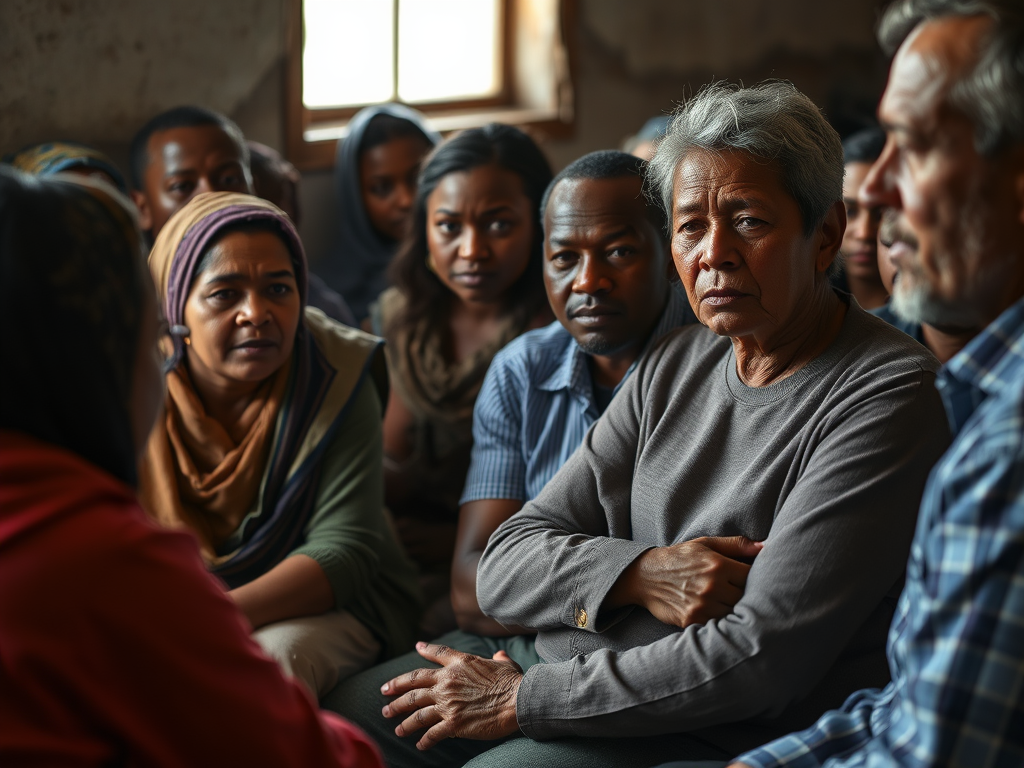
Many people today are living with a quiet but persistent ache. It is an ache born from witnessing the hatred, division, and government‑sanctioned hostility seeping into the fabric of our daily life. We counselors and therapists hear it in our offices every day: the sense that the world has tilted, that the social contract has frayed, that something essential in our shared humanity is being threatened. This is not ordinary stress. It is a form of collective wounding that touches the psyche, the body, and the spirit. It calls for a form of counseling that is both psychologically grounded and spiritually attuned.
When the source of fear or aggression comes from institutions meant to protect, the injury becomes existential. Clients often describe feeling unmoored, as if the ground beneath them has shifted. Their sense of identity may be shaken, especially if their communities are targeted or marginalized. Many experience a deep moral injury, a spiritual pain that arises when witnessing cruelty or injustice carried out in their name. Others grieve the loss of a country or a shared moral center they once believed in. This grief is not a sign of weakness; it is a sign that something sacred has been violated.
In such times, the counseling room becomes more than a clinical space. It becomes a sanctuary. It becomes a place where clients can breathe, feel, and remember who they are beneath the noise. A spiritually attuned counselor offers a presence that steadies rather than fixes. Being a witness that dignifies rather than debates. A language that restores coherence rather than amplifies fear. Simply acknowledging a client’s sorrow, saying, “It totally makes sense that you feel this way” becomes a form of spiritual companionship. It tells them they are not alone in the dark.
Political hostility often leaves people feeling powerless, but spiritual healing begins by helping clients reclaim the one domain that cannot be taken from them: their inner life. This reclamation may begin with their breath, with their body, or with the quiet recognition of values that transcend political cycles. It may take the form of meditation, prayer, silence, a long-learned ritual, or in a mindful movement. These practices that restore inner sovereignty remind clients that their humanity is not defined by the turbulence around them. Agency does not begin with sweeping political action; it begins with the ability to inhabit one’s own being with clarity and intention.
Many clients are grieving the loss of a world they believed in, and others feel betrayed by leaders or institutions they once trusted. Still others feel spiritually fractured by witnessing cruelty normalized. A spiritual approach invites clients to name their grief without rushing to resolve it, to recognize betrayal as a rupture of trust rather than a personal failure, and to explore the deeper longing beneath their pain. Rituals of release, writing, creating, burying, or speaking aloud what must be let go, can help transform grief into wisdom rather than despair.
Because political trauma is not only psychological but somatic, the body becomes a central site of healing. Chronic threat tightens the muscles, shortens the breath, and narrows the field of awareness. Helping clients return to the body as a place of refuge rather than alarm is essential. Grounding practices, slow movement, breathwork, and even simple contact with the earth can help restore a sense of belonging and safety. When the body softens, the spirit can begin to rise again.
Counselors and therapists themselves are living through the same climate as their clients, and their own spiritual grounding becomes part of the work. Counselors must cultivate practices that restore inner quiet, seek communities that nourish the heart, and maintain boundaries that protect their nervous system. A counselor who is spiritually anchored becomes a quiet beacon as someone who can sit in the storm without being swept away. This offers clients a living example of steadiness in a time of upheaval.
Clients often ask how to stay human when the world feels so inhumane. A spiritually informed response begins with the recognition that hatred is not the deepest truth of the world. Beneath the noise lies a quieter truth: connection, dignity, compassion, and the unbroken thread of humanity that runs through all of us. Even in times of darkness, the human spirit knows how to orient toward the light. Counseling becomes a place where clients can practice this orientation, rediscover their inner compass, and reclaim the possibility of living with integrity, courage, and love.
We are living through a defining and collective threshold. The work of counseling in this era is not only to soothe distress but to help people remember who they are beneath the machinery of fear. It is to help them reclaim their inner sovereignty, reconnect with their deepest values, and rediscover the quiet, enduring strength of the human spirit. In a time of division and hostility, the therapeutic relationship becomes a radical act of healing. It becomes a reminder that even when the world fractures, the heart can remain whole.

 The Journey of a thousand miles