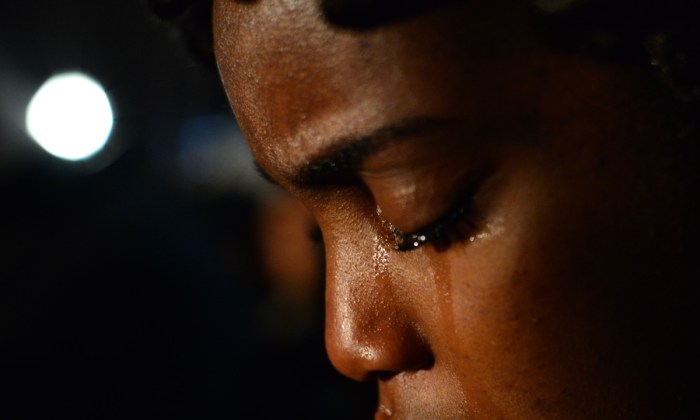
I’ve lived long enough, and worked with enough people in transition, to know that pain isn’t just an inconvenience, it is a signal and a threshold, even a teacher. But the two kinds of pain behave differently in the course of a human life.
Pain that hurts — the acute layer
This is the stuff that hits the nervous system first. It’s the breakup, the betrayal, the loss of a parent, the deep personal loss of meaning that leaves a bruise on the psyche. It is the moment when the body says: “This is too much.”
In my work, I see this in clients who come in with an enduring tightness, a deep sense of overwhelm, it is a story they can barely get through without shaking. It’s often raw. It’s immediate. It’s not yet entirely meaningful… it’s just pain. The kind I witness as a client sits on the edge of my couch, not making eye contact and breathing deeply through tears as they tell their story, often for the very first time.
Pain that alters — the initiatory layer
This is the pain that doesn’t just hurt. It rearranges something. It shifts one’s identity, dissolves and illusions. This pain exposes what was false or reveals what is always true.
It’s the kind of pain that says: “You’re being reconfigured. Don’t try to rush this.”
In my practice, this is the moment when someone stops narrating the event and starts narrating the meaning of what is behind their story. It’s when the story is no longer held within and the pain, although devastating, is also accompanied by a release and a first hope that all will be okay.
The hinge between the two
The transition from hurting to altering often happens in a single quiet moment. When a person stops resisting the pain and starts listening to it, change begins to occur.
It is not about collapsing into it or dramatizing it. It is the first time the truth of the heart is being spoken in a place of safety and understanding. For me as a counselor it is first about just… listening and being present.
That’s where the doorway opens.
I had walked through my own initiatory terrain. I have understood the generational unraveling of sorrow and pain, and the emptiness that followed. This had created a reorientation toward this purpose. My realization that the work I help foster is helping my clients understand that working through the pain-that-hurts to the pain-that-alters is entirely worth the journey to understanding and growth.
 The Journey of a thousand miles