I sat at my mother’s bedside as the afternoon faded, the room dim and quiet except for her breathing—shallow and delicate, a rhythm I knew by heart. Pancreatic cancer had stolen her strength with cruel speed, and now she seemed to shrink beneath the covers, her hand small but warm in mine. I tried to memorize the feel of it, scared it would soon be gone.
She turned her head just a little, her voice so faint I had to lean close. “Am I going to heaven?”
Her question knocked the wind out of me. I made sure she wouldn’t see the fear that gripped me, or how the room felt like it was spinning. I said the only thing I could: “Mom, you’ve done so much good that you’ve got the golden ticket. You’re indeed going to Heaven.” I tried to grin, to make it sound light, almost like a joke. She looked relieved, like I’d handed her something solid, something she could lean on at last.
I didn’t realize that would be the last real conversation we’d have. I had no idea how many times I’d replay those words, wondering if they were enough.
A few days later, I was walking from the subway in Manhattan on my way to work. The city was its usual chaos—blaring horns, footsteps, the subway’s echo still in my bones. My phone rang. My niece’s name flashed on the screen, and my stomach clenched.
I ducked into a doorway, trying to carve out a pocket of stillness in the city’s bustling noise.
As soon as I answered, I knew, I the jagged storm of crying and shouting, grief that shook through the phone. My sister’s voice cracked and broke: “She’s dead, she’s dead!”
My insides froze. I said I’d come as soon as I could, but the words felt far away, like someone else was saying them. I stood for a long moment before moving against the stream of people walking to their jobs.
The train ride home was a numb blur. People talked, checked their phones, sipped their coffee, living in a world that hadn’t stopped. I sat perfectly still, stuck between the last words I’d said to her and the stark reality I was heading toward.
Somewhere in that deafening silence, I held on tight to the memory of her question—and my answer. I hoped, with everything I had, that she clutched that golden ticket close to her heart as she crossed into whatever comes next.
The days after, grief settled everywhere like an endless fog. I moved through it quietly, doing what had to get done, feeling somehow there and not there at the same time.
Then, a few mornings later, I awoke to the memory of a dream so clearly it felt more like a visit, and a message than just sleep.
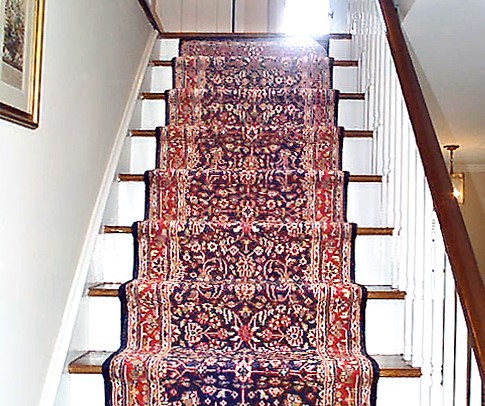
I was in an old farmhouse—lived-in and warm, the kind of place where love seeps into the walls over the years. The kitchen was well worn but cared for, everything in its place. A stairway with an old oriental rug runner led to the second floor.
An elderly couple walked ahead, climbing the stairs. I followed. At the top, a very well-dressed Black man stood behind a velvet rope—like outside a fancy club. He greeted the couple by name, lifted the rope, and let them through.
When I stepped forward, I saw a doorway past him, and behind it a glaring, brilliant light—so bright I couldn’t see anything else.
He let the rope down again and gave me a gentle, fatherly look. “Sorry, son,” he said softly. “It’s not your time.”
Then I woke up, the dream glowing around me. I lay there in the quiet morning, and suddenly, absolutely knew—
Mom had made it.
After Mom passed, something in me shifted. There was no big moment, no real collapse, just a slow, quiet settling, like dust falling after you stop shaking up a room. I kept coming back to that last conversation, to asking her if she was going to heaven and me telling her she had the golden ticket. At the time, I just wanted to comfort her. But after, those words became something heavier, an anchor I clung to when the grief felt endless.
The days felt strange. I did what needed doing, quietly, but inside I felt in limbo—caught between the world where she was here and the world where she was gone. I didn’t cry much. I didn’t talk much. It was like my feelings had gone under the surface, waiting for something I couldn’t name.
But that realization—Mom had arrived—settled deepest of all.
It wasn’t a thought, and it wasn’t something I reasoned out. It was just a knowing—gentle, certain, and needing no proof at all.
In that moment, some part of me softened. The grief stayed, but it changed—it wasn’t so much a wound anymore, more like a door. Not one I was meant to walk through yet, but one I could stand before, unafraid.
And the golden ticket? It didn’t feel like a gift I’d given her anymore. It felt like something she’d always had—earned long ago, before I ever put it into words.

 The Journey of a thousand miles